
"Success was being able to keep your brains inside your head": Gregg Allman on survival, loss, and what kept him going
The Midnight Rider

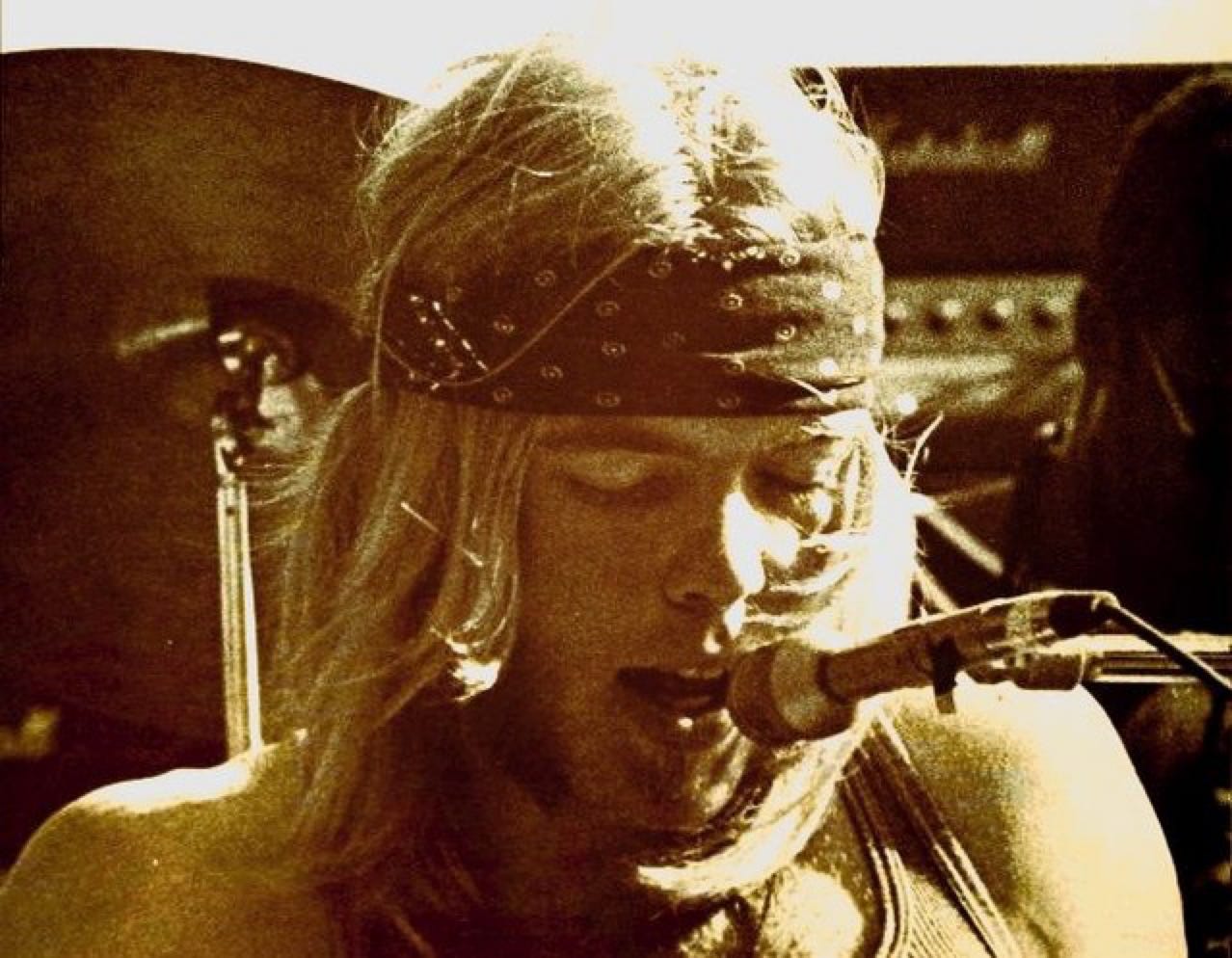
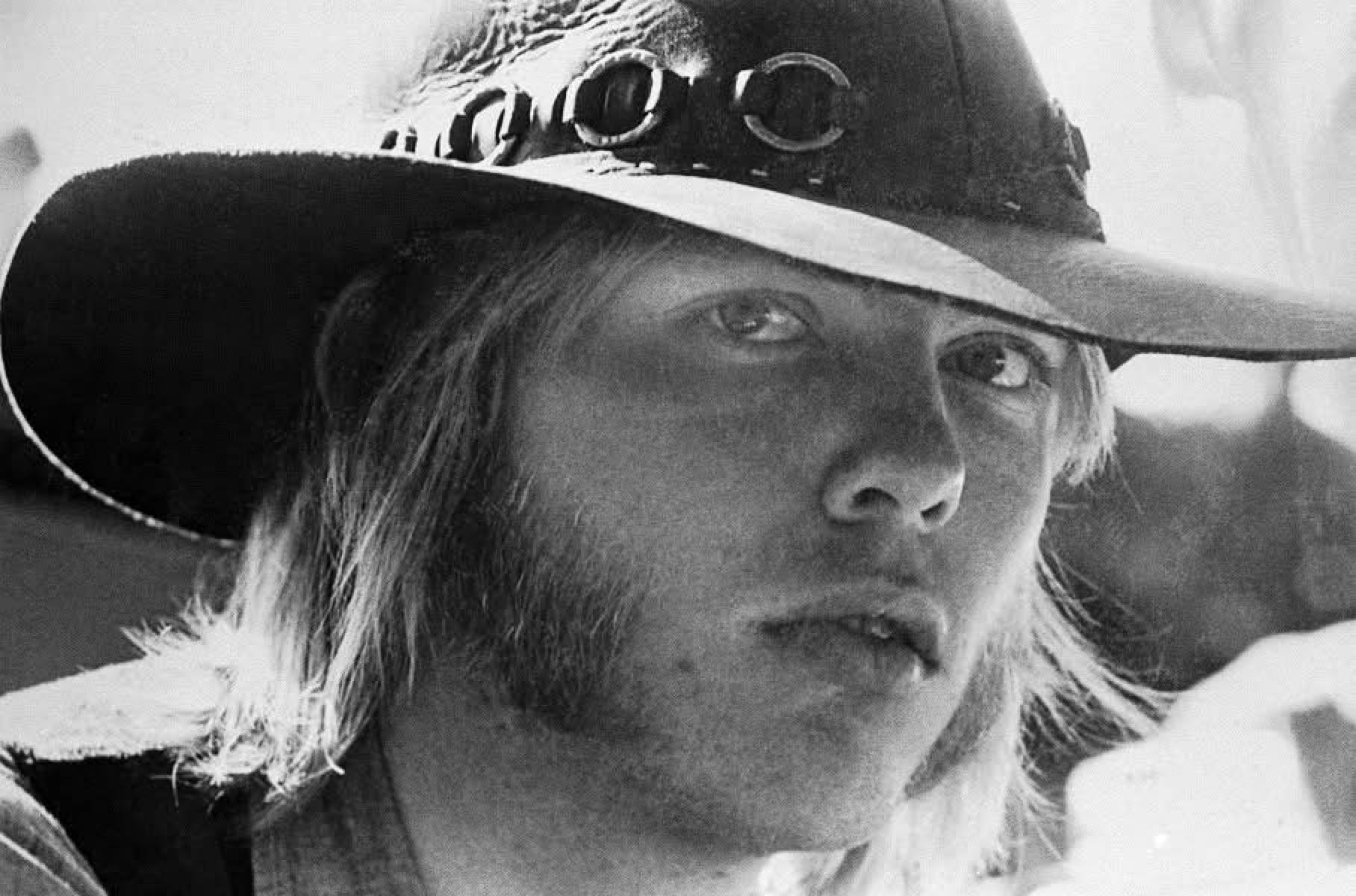
Gregg Allman was the last to join the Allman Brothers Band, the band he fronted for 43 years after Duane’s death.
Duane built his band then called Gregg in L.A. to complete the lineup. “I need you to round it all up and send it in some sort of direction.”1
When he arrived in Jacksonville March 26, 1969, everyone knew from the moment he sang “Trouble No More” that the group was complete.
Gregg was one of rock’s great survivors. He faced alcoholism, drug addiction, federal investigation, and tabloid celebrity as he carried on after his brother died. In 2010, he had a liver transplant, and he lived until May 2017, six months shy of his seventieth birthday.
He continued to tour until the end, and released Southern Blood, his final record, posthumously.
“Gregg’s lyrics come from his life of trials, failures, accomplishments—the whole thing.” Dickey Betts
Gregg’s thoughts
“As a kid, I always thought an entertainer or a musician would have no bad days. How could they? They’re entertainers. They have fun for a living. Well, baby, I’m here to tell you they do have bad days. But it ain’t nothing I won’t feel better about when I’m up on stage tonight.”
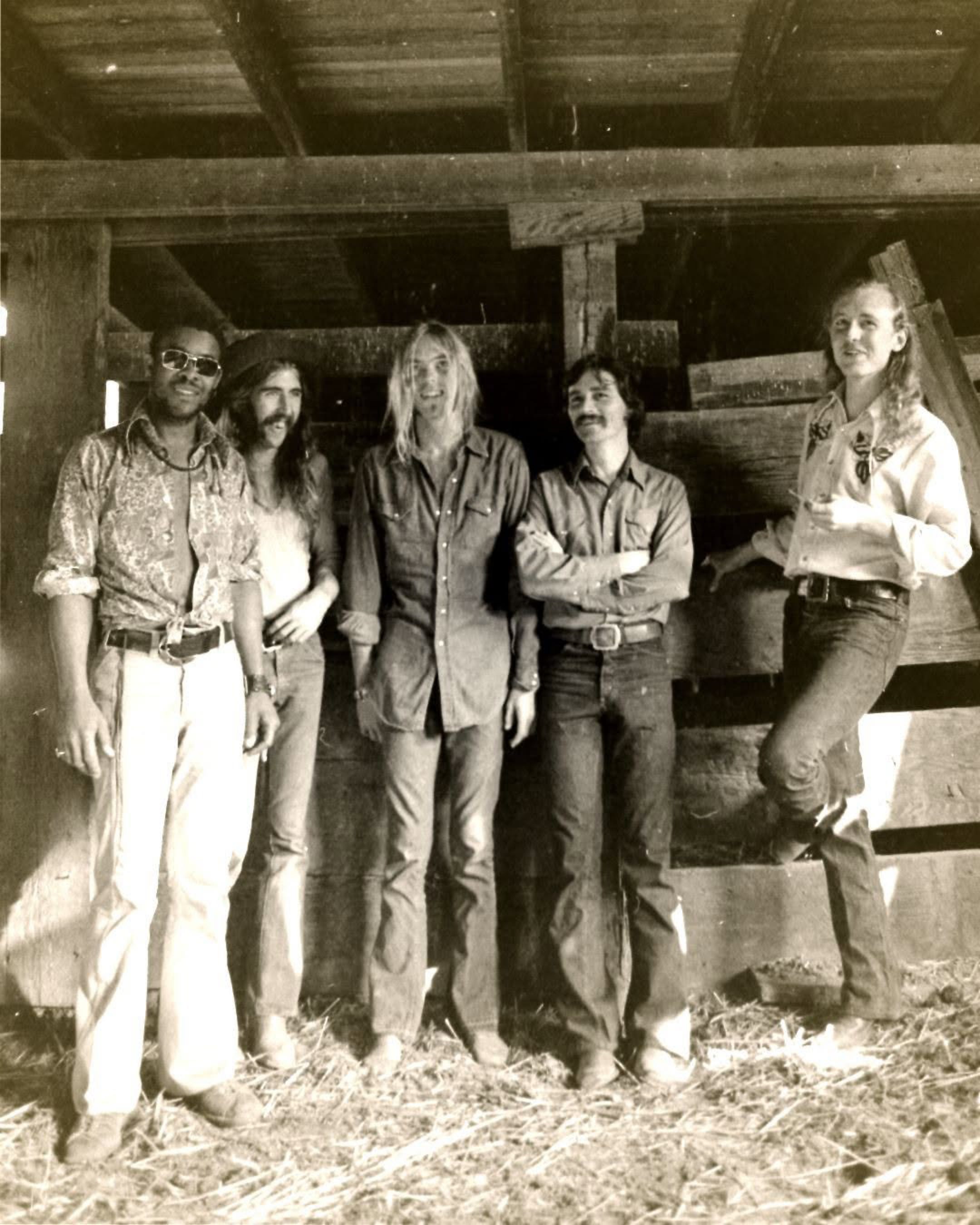
“The question is what made the Allman Brothers keep on going. I’ve had guys come up to me and say, ‘Man, it just doesn’t seem like losing those two fine cats affected you people at all.’ Why? Because I still have my wits about me? Because I can still play? Well that’s the key right there. We’d all have turned into fucking vegetables if you hadn’t been able to get out there and play. That’s when the success was, Jack. Success was being able to keep your brain inside your head.”2
“My grandfather was alive when I got my first bad review. We played the Whisky a Go Go in Los Angeles. The writer put down, ‘Although the singer sounded somewhat like a Black man, he had a four-note range.’ It killed me, man. I went to my grandpa. He says, ‘Man, everybody knew Jesse James. It’s when they stop talking about you, that’s when you worry. As long as they talking about you—good press, bad press? It’s the same thing.’”3
Gregg’s bandmates weigh in
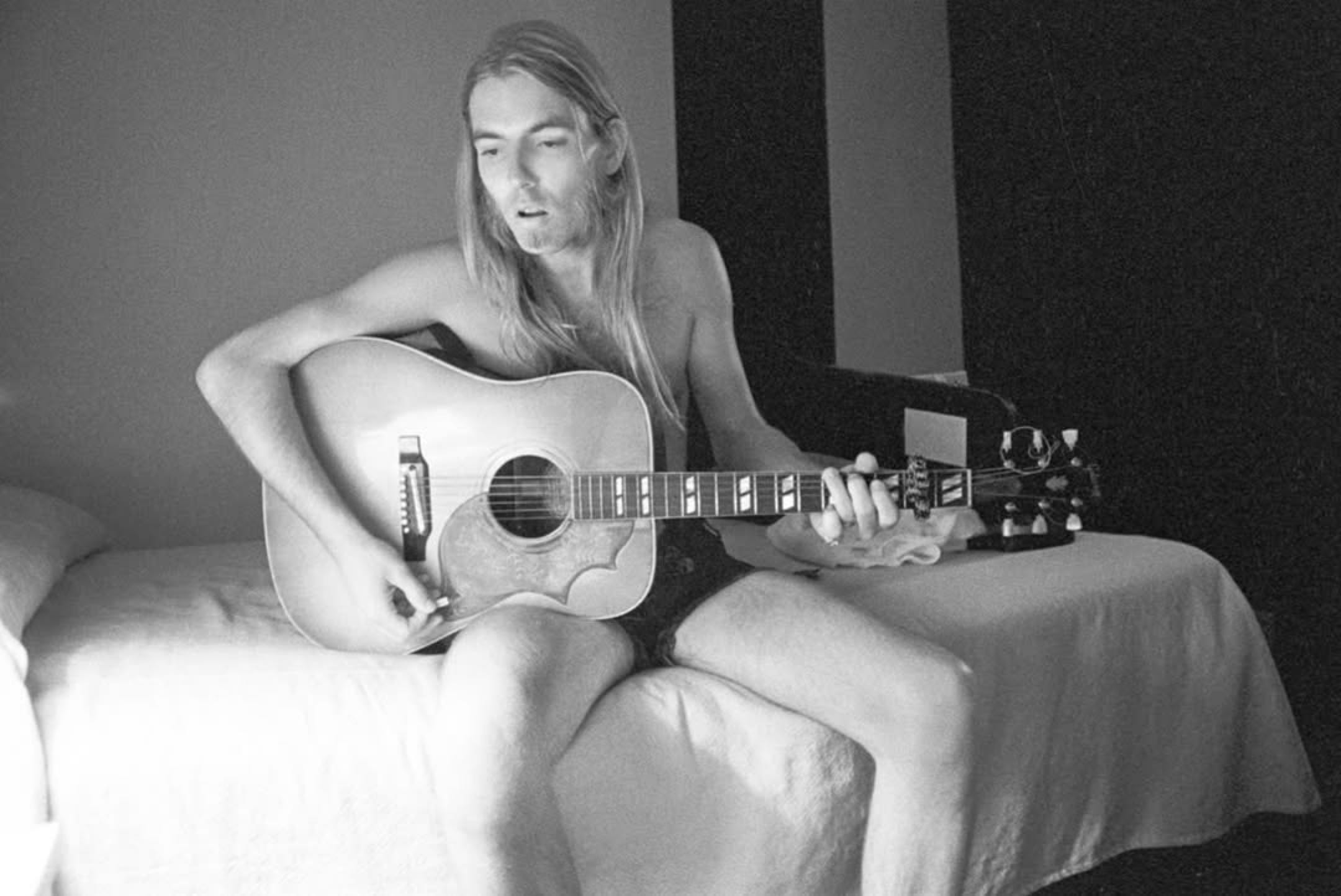
Dickey Betts
“Gregg’s lyrics come from his life of trials, failures, accomplishments—the whole thing. Those words he writes, he ain’t dressing up in front of no mirror. When he writes those words, the dude is opening up his heart, and he’s giving you part of himself.”4
Jaimoe
“So we had everyone there [Jacksonville] but Gregg and some people have said over the years that Duane was trying to do something different, but it’s not true. He told me that Gregg put a spell on women and all this stuff but there was never a doubt that he would be the singer. He was just waiting until he had all the other pieces in place. Gregory was the last member to join the Allman Brothers Band but there never was any question that he would do so. I was the first person Duane Allman signed on and he told me from the very start: ‘There’s only one person who can sing in the band I’m putting together and that’s my baby brother.’”5
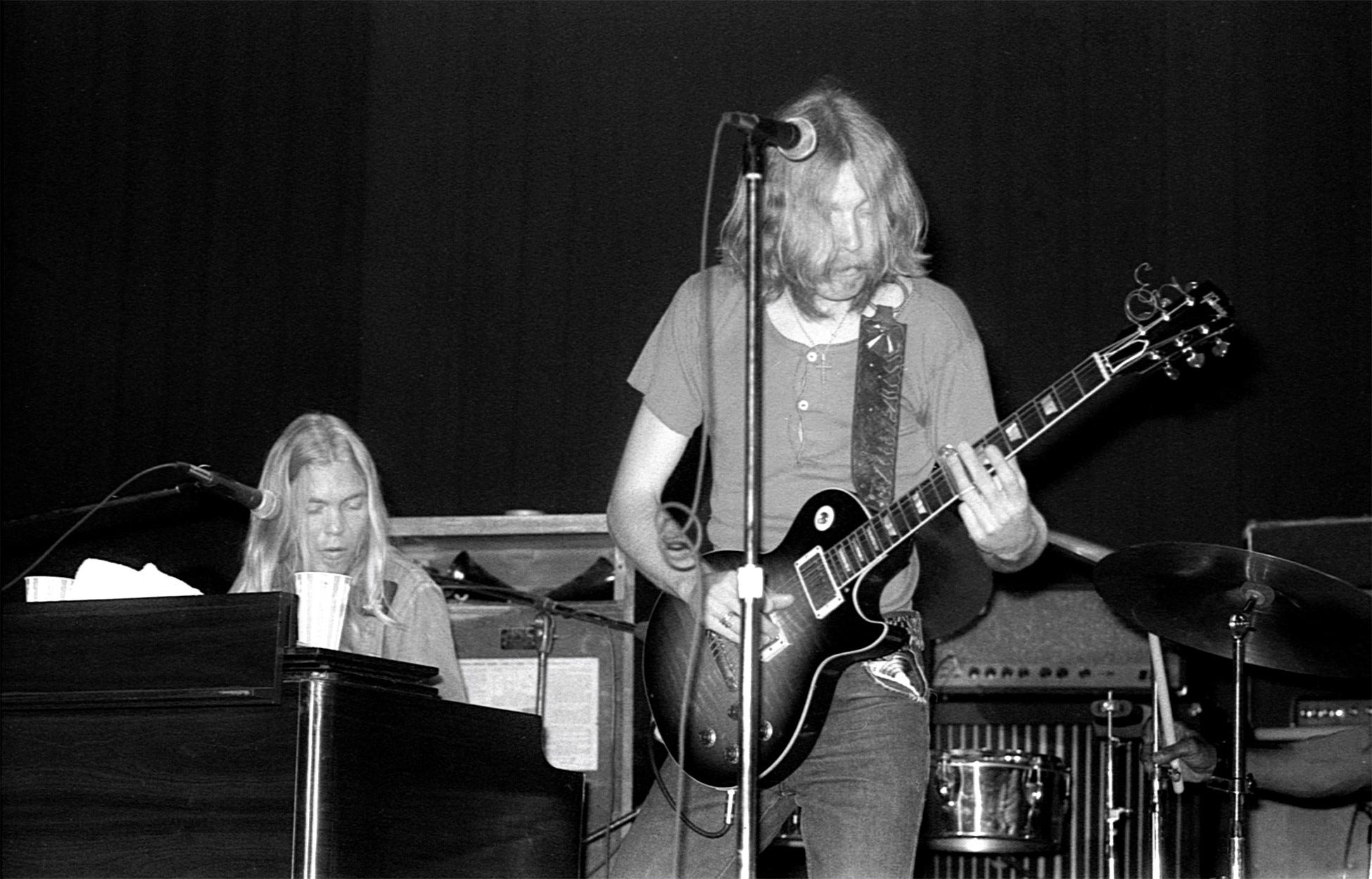
Derek Trucks
“When I think about those great Allman Brothers records, what they had over all the bands of that era, at least the bands that were improvising, Gregg could sing his ass off. Not many bands of that era had a guy who could sing like that. Then you had a band that could play anybody under the table. That’s a pretty deadly combination.”6
Oteil Burbridge
“For many, many nights, every time we started ‘Midnight Rider’ there’s this light behind Gregg when he stands out front that hits the back of his hair and makes it light up and it looks like there’s a halo around him. So they would sing that a capella intro and it would just freak me out. I realize I’m up there with major league legends. That’s a really good feeling. It’s really exhilarating. It’s also beautiful to be there with the Brothers just before the show. It’s like watching the Knights of the Round Table go out to battle.”
Warren Haynes
“Even though we knew each other a bit prior to my joining, I was very intimidated because I’d been a big fan since 1969. Of course, Gregg was immediately disarming. He went out of his way to make me feel comfortable, from the very beginning. I think that was his nature. He was like that the first time I met him, in 1981. I was 21 years old. He paid me a lot of compliments and was very encouraging. Sometimes when you’re meeting your heroes, it can go either way. But that was a nice introduction to what would eventually be our relationship.”7
Chuck Leavell
“I used to go see the Allman Joys at the Fort Brandon Armory in Tuscaloosa, Alabama when I was a young aspiring musician of 13 and 14 years old. Gregg mesmerized me with his talent, that incredible voice, his understated yet strong stage presence. As he developed as an artist and songwriter, I continued to follow his career…and when the Allman Brothers Band was formed, I thought, ‘Now they have figured it out.’ That first record was groundbreaking and a new style of music, Southern rock, was born. Little did I think at the time that I would be so fortunate to eventually be a part of it. I was just a fan and admirer of what he, Duane and the rest of the band had done.”8

Lagniappes
“Oncoming Traffic” 3/19/05 Beacon Theatre, NYC and two Gregg cuts from the One More Try anthology set (1997): “One More Try” and “Never Knew How Much”
Merch
As background: these designs are unique-to-me adaptations. I upscaled and edited the classic UPI shot of Jimmy Carter in a Win, Lose, or Draw t-shirt.
The Fillmore East advertisement is from the recording of At Fillmore East. The original ad had Johnny Winter at the top of the bill. I moved him below the ABB, since they switched slots.
The shroom is a commission from Glitter and Toadstools, a local artist whose aesthetic just spoke to me.


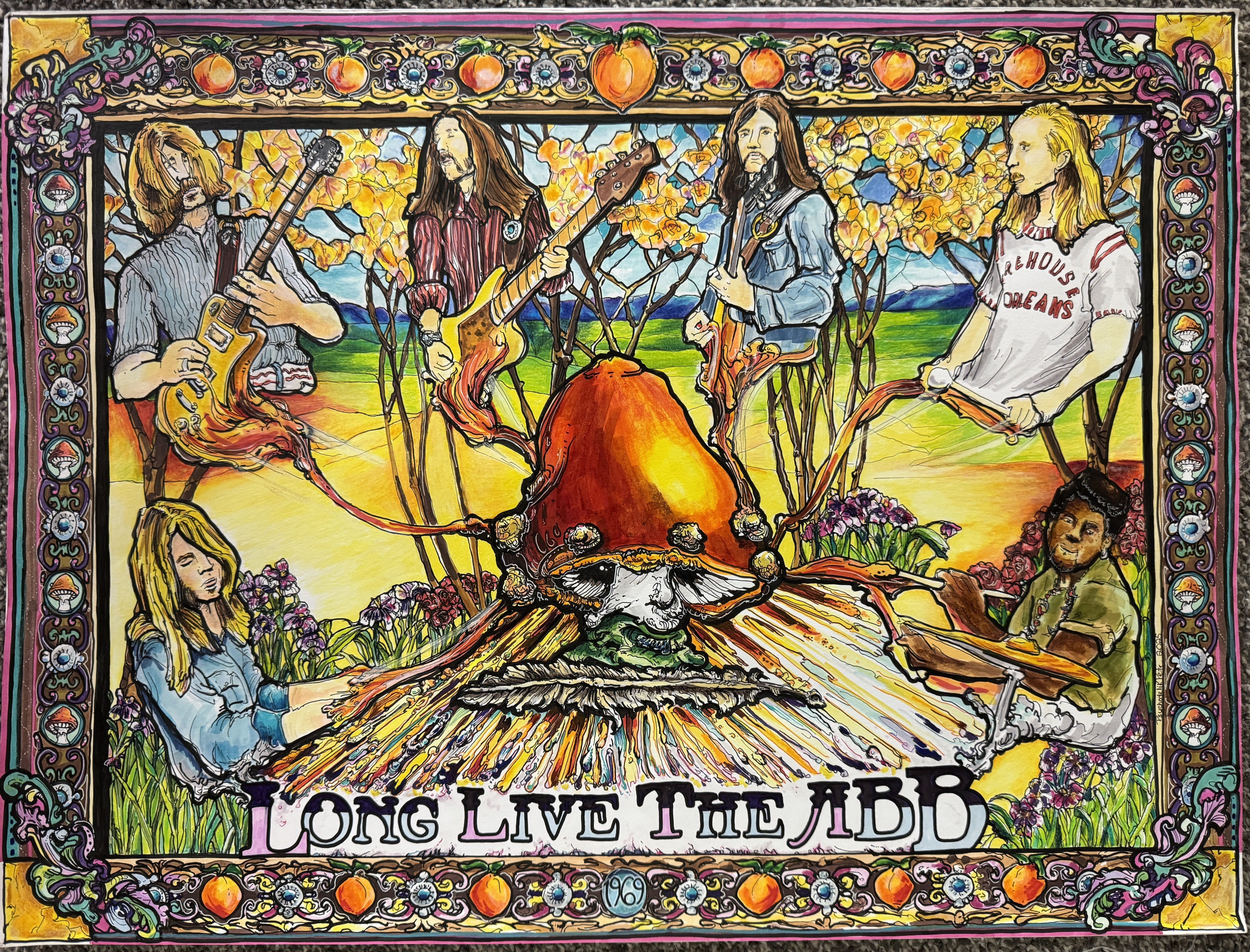
This is one of my favorite stories in the canon—Gregg’s too as he called Duane’s words the finest compliment he ever received: “I need you to round it all up and send it in some sort of direction.”
From Cameron Crowe’s 1973 Rolling Stone cover story (more on that here).
“Gregg Allman: The Lost Brother,” Rolling Stone July 2009.
From Tom Nolan’s The Allman Brothers Band: A Biography. I’m writing about that here: Dr. B’s Marginalia.
Alan Paul and Jaimoe, “Allman Brothers Drummer Jaimoe Remembers Gregg Allman,” Rolling Stone May 2017.
"Keeping your brain inside your head"....for real. Gregg had more trials to deal with early on, than any other musician I can think of. Duane attracted the best and they were able to keep on going and build on it