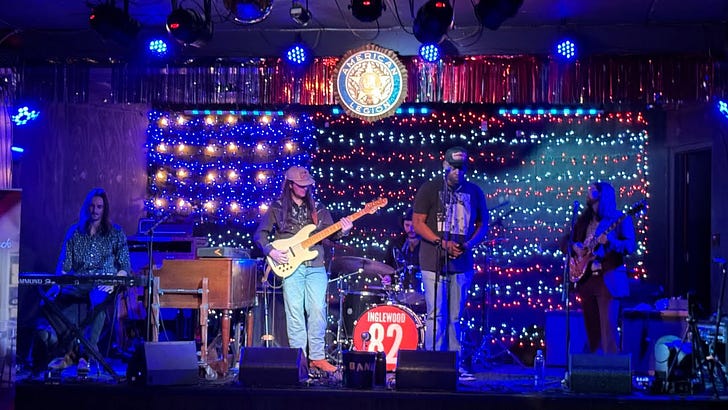
Last night, I attended Cameron Crowe’s book event at the Country Music Hall of Fame in Nashville.
It was one of the most loving tributes to the Allman Brothers Band I have ever been a part of.
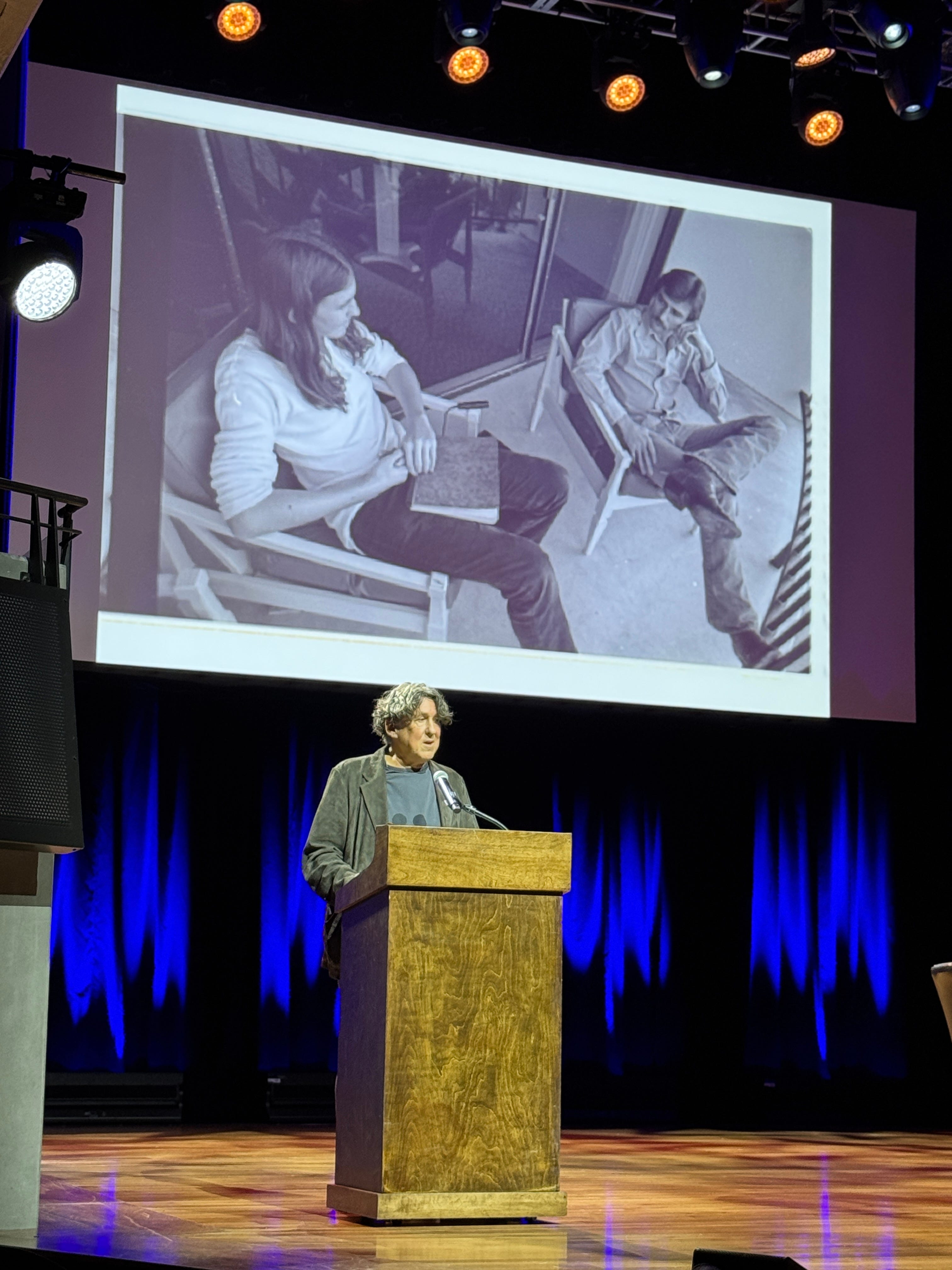
Crowe began with an emotional reading about his time with the Allman Brothers, his favorite band, and the chief inspiration for the Almost Famous storyline.
It was a helluva way to open a set that kicked off a wonderful homage to the Best Damn Band in the Land.
I didn’t record any of it.
I stayed in the moment and listened to one of my favorite storytellers1 tell stories about my favorite band. I snapped some shots that featured the ABB, including some new-to-me photos.
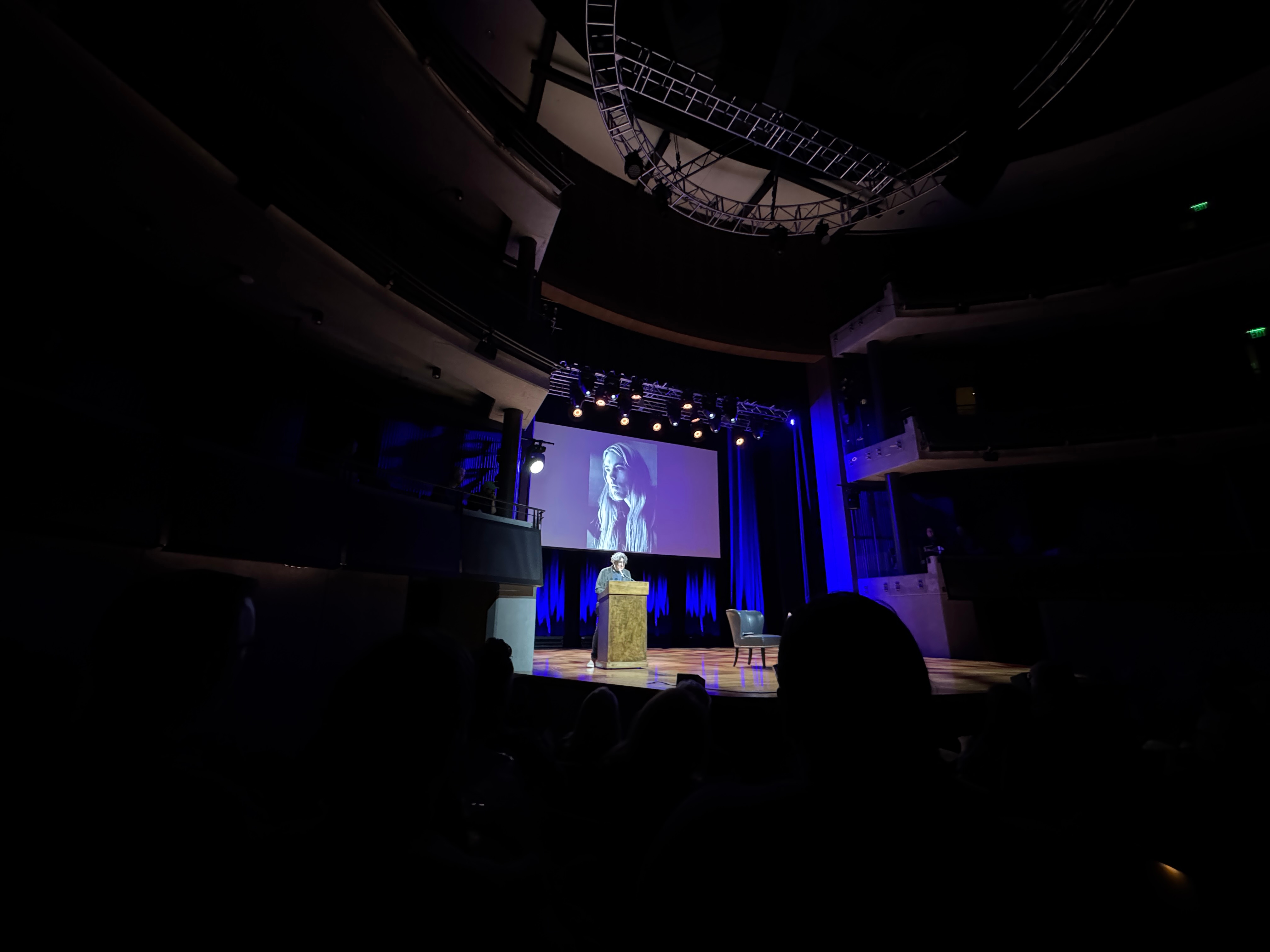
I didn’t get a chance to meet him, but I did hand a copy of Play All Night to someone with a backstage pass, and she said she’d pass it on.2
I came home and recorded this video (transcript below).
More to come.
Lots more.

In 1973, a 16-year-old Cameron Crowe wrote a cover story for Rolling Stone on the Allman Brothers Band.
To this day, it remains the most in-depth, intimate look at the Allman Brothers Band at the ABBsolute peak of their fame.
A tremendous story for Rolling Stone in and of itself, even if you didn’t know any of the backstory.
But he turned the story of that article into the movie Almost Famous (2000).3
Throughout that whole movie, the thread is 16-year-old William Miller is trying to get the big interview with Russell Hammond, the guitarist of Stillwater. Eventually he gets the interview, turns in the story, and the band basically denies everything ‘cause they looked like dicks.
In the true-to-life event, Gregg Allman seized Crowe’s interview tapes.
I think Gregg had a lot of second thoughts about how much he had told Cameron Crowe. He took the tapes back.
Now what I didn’t know until tonight, when I heard Crowe speak about his new book, The Uncool, I didn’t know how hard he actually took that. It was a real traumatic moment for him that was difficult for him to read.
He talked about how traumatic this was on him.
Eventually, the tapes come back, he’s able to write this story that is just this super in-depth, intimate look at a band that had tried so hard to get to where they were.
And they got to where they were without two of their four founders, Berry Oakley and of course Duane Allman.
Cameron Crowe, his Rolling Stone cover story and Almost Famous, had a profound impact on me as an Allman Brothers fan, and also as a writer and as a scholar.
I’ve used a lot. Crowe is quoted and his pieces are cited extensively in Play All Night.
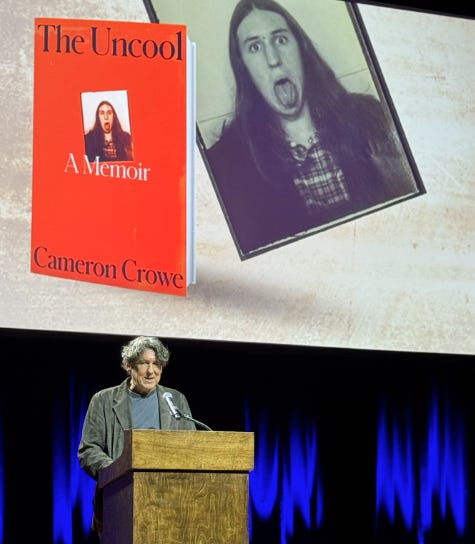
The Uncool
Any of us nerds who love rock and roll and want to be a part of it, always feel a little bit of that no matter what. (No matter how cool we end up feeling sometimes.)
Go get his book, go see him if he comes to your town, because it was a powerful moment for him to talk about my all-time favorite band.
Crowe’s emotions were palpable as he read from the book. And I was definitely swept up in some Mushroom Magic.
And even if I didn’t know any of this backstory, Crowe’s is still the greatest feature on the Allman Brothers Band from that era.
In addition to all of his writing on the Allman Brothers (and rock) in the 70s, I’m a huge fan of Crowe’s movies: Almost Famous, Elizabethtown, Singles, Jerry Maguire. I always felt a connection to him through Fast Times at Ridgemont High as my fellow Stuart, Florida, native Judge Reinhold.
I’m really bad at the “waiting around until famous people emerge” game. Always have been.
Still one of my favorite movies. One of these days I’m gonna get on camera and talk about that bad boy too. It’s got a lot of Allman Brothers in it.