
The Juicy Carter Experiment
Horns and the Allman Brothers Band

I’ve just spent a lot of time thinking about what I consider Duane Allman’s sole artistic misstep: the Juicy Carter sit-ins during the Fillmore East sessions.
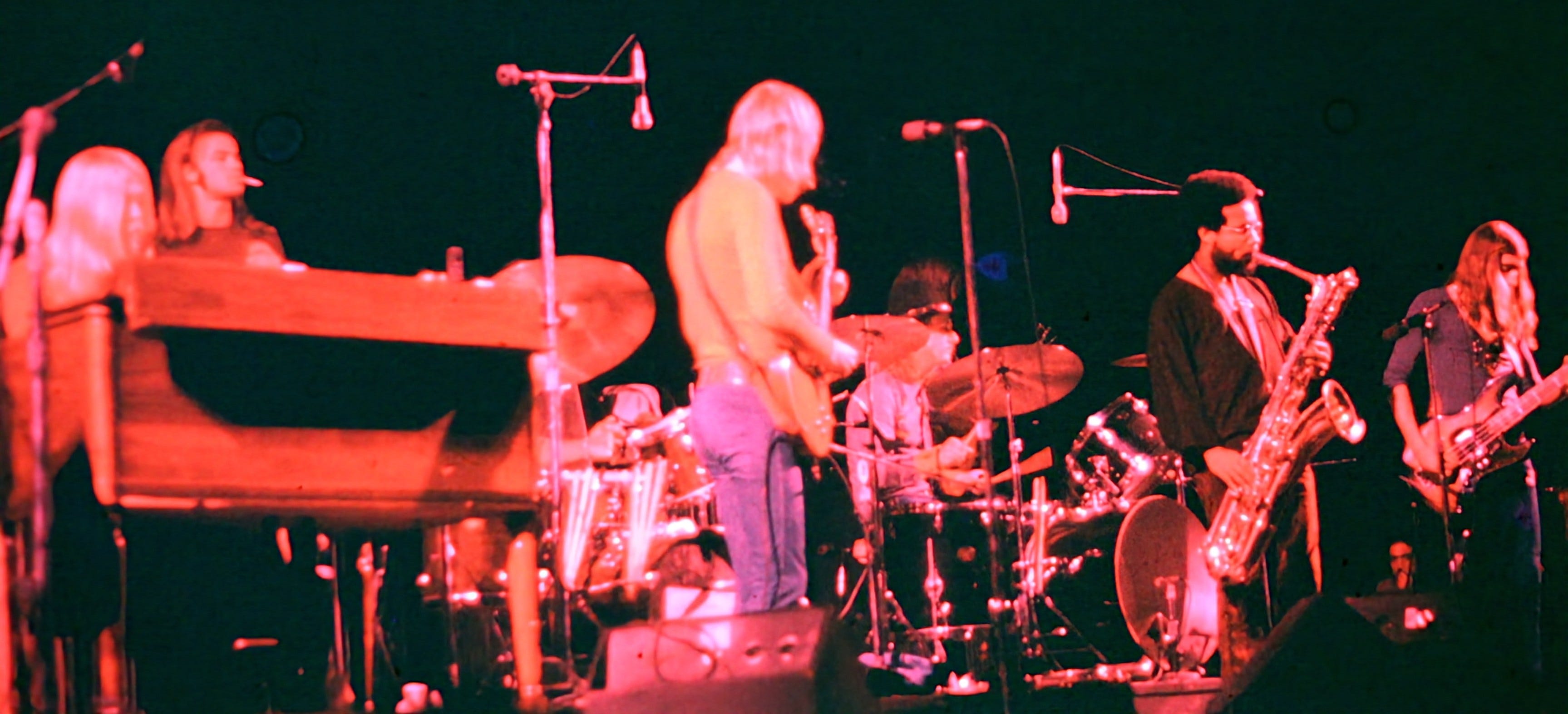
The Sessions/Sit-ins
Thursday, March 10. The ABB played one show. A full horn section sat in. No tape survives. After the show, Tom Dowd (who wasn’t even supposed to be in town1) tells Duane to kill the experiment. Duane convinces Dowd to let Juicy sit-in the next night.
Friday, March 11, early show. Juicy Carter sits in on “In Memory of Elizabeth Reed” and “You Don’t Love Me.”
Friday, March 11, late show. Juicy Carter sits in on “In Memory of Elizabeth Reed” and “Hot ‘Lanta.”2
Saturday, March 12. There are no sit-ins. These shows comprise the bulk of At Fillmore East3
Early show: “Statesboro Blues” “In Memory of Elizabeth Reed” and the first 7 minutes of “You Don’t Love Me”
Late show: “Stormy Monday” “Hot ‘Lanta” and “Whipping Post”
“In Memory of Elizabeth Reed” is glorious. Momentary composition at its finest. It is mournful and beautiful. It evokes Macon and Rose Hill Cemetery.
It is six guys pushing and pulling to create a truly gorgeous piece of music.
And we only have one Juicy-free version from the whole weekend.
Be thankful to Tom Dowd for that.
The Juicy Carter experiment was perhaps Duane’s poorest artistic decision
This particularly true given the stakes.
At Fillmore East was the band’s make-or-break third album. And they allow a guy who’s rarely played with them to record the most important shows of their lives.4
Juicy Carter doesn’t make a lot of sense. Why choose someone who’s not really an R&B guy, someone who’s more of a jazzer at this phase in his career? Why not King Curtis and the Kingpins? Why not the Memphis Horns?
Who is Juicy Carter?
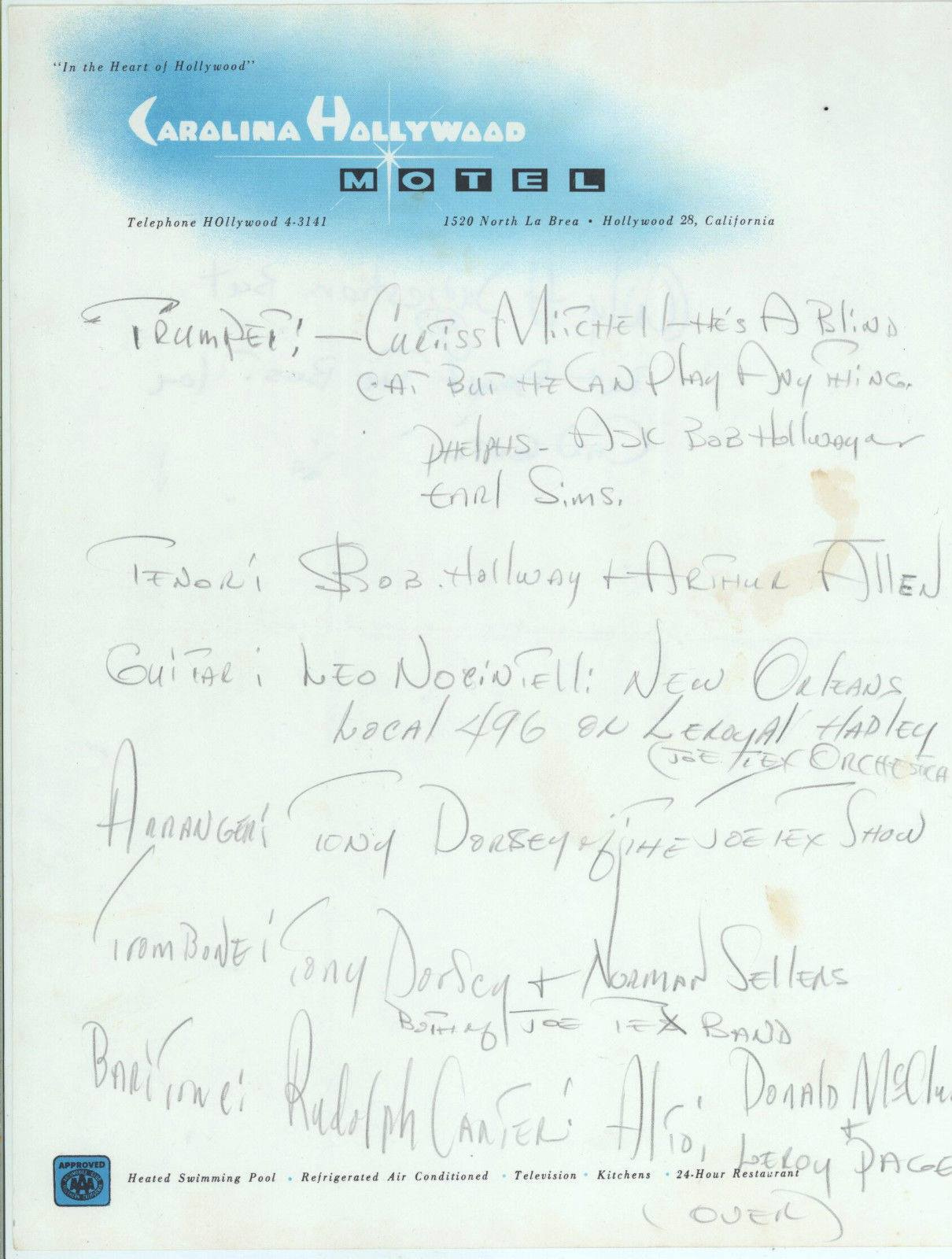
Juicy Carter is a friend of Jaimoe’s from Percy Sledge’s band.5 Jaimoe is aware of the guy’s chops. Juicy is Jaimoe’s friend and he advocated for him in April 1968 in a letter to Twiggs Lyndon in Macon looking for a gig in the house band Phil Walden is assembling in Macon.
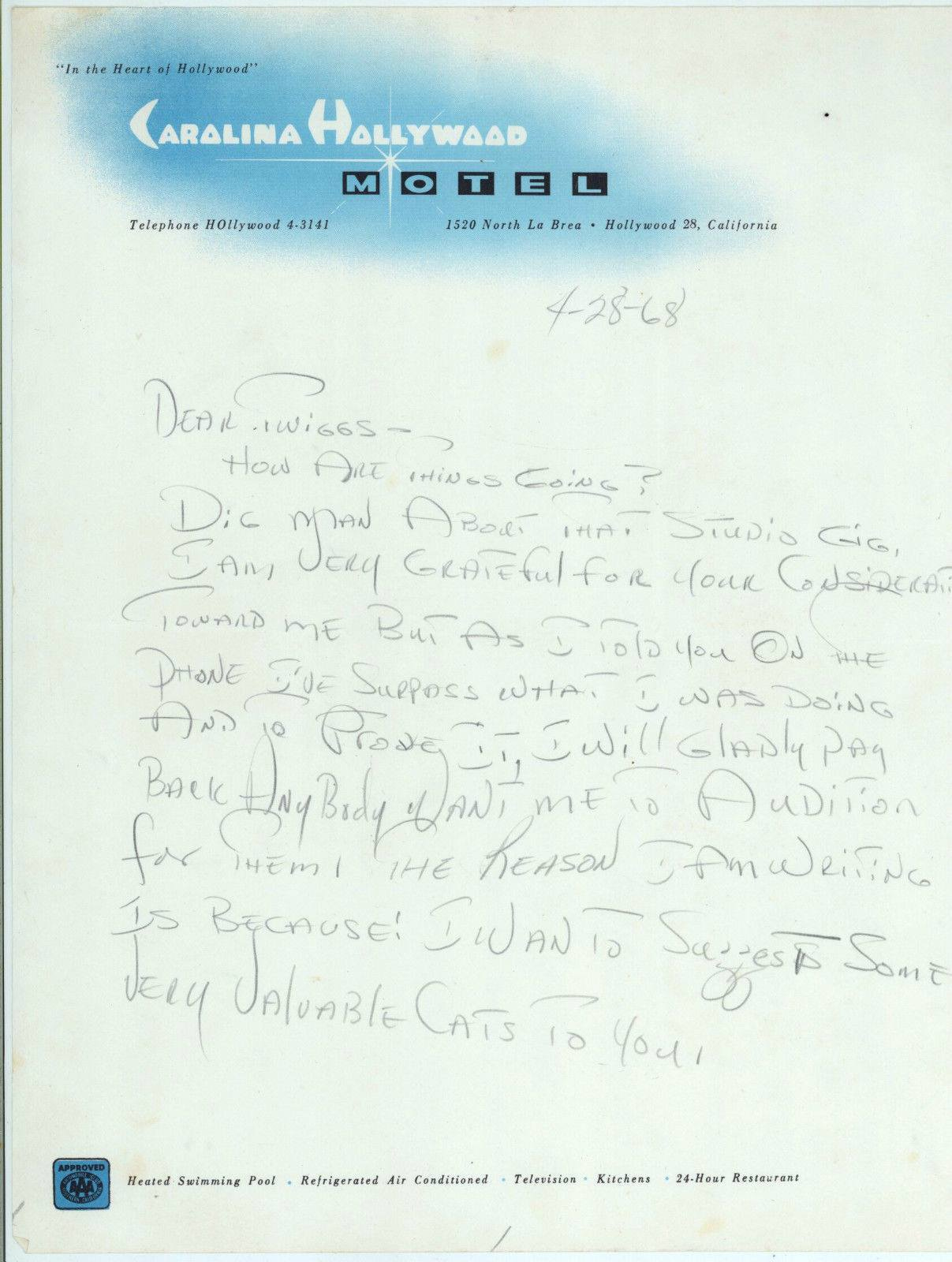
Dig man about that studio gig, I am very grateful for your consideration toward me but as I told you on the phone, I’ve surpassed what I was doing and to prove it I will gladly pay back anybody who wants me to audition for them.
The reason I am writing is because I want to suggest some very valuable cats to you. Trumpet: Curtiss Mitchell - he’s a blind cat but can play anything ???? ask Bob Holloway or Earl Sims; Tenor: Bob Holloway & Arthur Allen; Guitar: Leo Nocentelli: New Orleans Local 496 or Leroyal Hadley (Joe Tex Orchestra); Arranger: Tony Dorsey of the Joe Tex Show; Trombone: Tony Dorsey & Norman Sellers (both of Joe Tex Band); Baritone: Rudolph Carter; Alto: Donald McClure & Leroy Page.
Only a suggestion but about the best you can get.
Jaimoe swears it could have worked.
Far be it from me to critique Jai Johanny’s ears, but I just don’t hear it.
And it’s not for lack of trying.
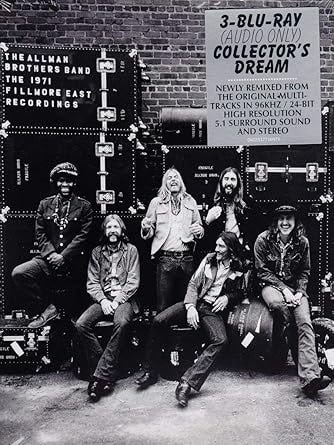
The 1971 Fillmore East Recordings has four shows from the Fillmore East sessions—the Friday, March 11 and Saturday, March 12 early and late shows—and the closing set at the venue, 6/27/71, which was for a private audience.
I’ve been listening to the Friday early show quite a bit in preparation for this post.
The first set starts out smoking. Duane announces they’re recording and they bust into the slide blues: “Statesboro Blues,” “Trouble No More,” “Don’t Keep Me Wonderin’,” and “Done Somebody Wrong.”
Things are chugging along beautifully and then they decide to bring up Juicy Carter.
It’s probably the worst decision Duane ever made in a musical context.
Juicy sits in on “In Memory of Elizabeth Reed” (TIDAL, SPOTIFY, YOUTUBE) and as Dickey plays his intro, Juicy weaves in out-of-tune sax lines. His appearance is distracting. Particularly to Dickey.
The only reason I can think why they allowed Juicy to join on “Liz Reed” was they were not intending to release it on At Fillmore East as they were satisfied with their take on Idlewild South. This is conjecture on my part, I’ve found no confirmation this was the case.
But Juicy sat in on “Liz Reed” both sets on Friday, and this was after Dowd told Duane the horns didn’t fit.
It was obviously part of the set, so maybe it wasn’t going to be on the album?
It’s the only reason it makes sense Juicy played again on Friday night.
Because the Friday early show is bad.
My buddy Doug Peaches has been challenging me to listen to it more closely for the band pushing behind him.
I tried.
I just can’t unhear Juicy Carter.6

Excerpt from Play All Night! Duane Allman & the Journey to Fillmore East
For the March 11th show, Duane had invited a three person horn section, including Jaimoe’s friend Juicy Carter to guest on a few songs.
Following the show, Dowd told Duane to cancel the experiment. “This isn’t the time to try this out,” he argued.
Dowd was adamant, and correct, that the unrehearsed, out-of-tune horn section did not belong on the album.
Carter demonstrated little feel for the Allman Brothers Band music and although he joined the band at least twice more over the weekend, none of the appearances made the final album.
Convincing Duane to excise the out of place jazz horn section from the At Fillmore East sessions gave the world a note-perfect, horn-free “In Memory of Elizabeth Reed” that is a highlight of the record and among the best pieces of music the Allman Brothers ever recorded.
Why not King Curtis?
Juicy Carter was clearly unrehearsed and never really sounds like he had any feel for the Allman Brothers music. He was trying to do something, for sure. But it doesn’t translate for me.
He was also playing out of tune, which I imagine is because he was unfamiliar with the music and he couldn’t hear himself well.
King Curtis was a good friend of Duane’s and is an obvious choice.
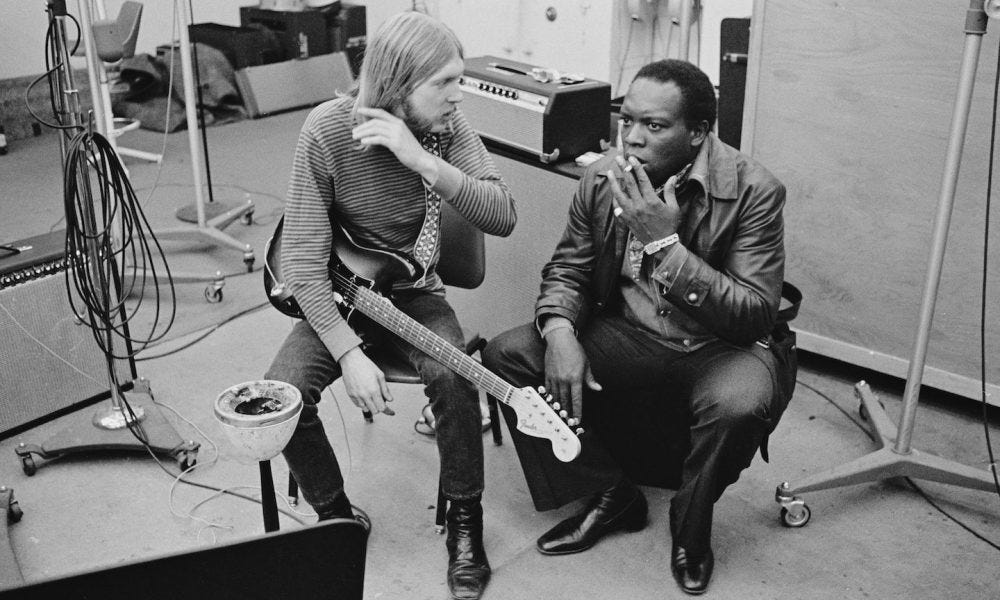
Maybe he wasn’t available? The Kingpins backed Aretha Franklin at Fillmore West March 5-7, a week before the ABB’s Fillmore East sessions.
The San Francisco stand also produced King Curtis’s Live at Fillmore West, which Duane namedrops before “You Don’t Love Me/Soul Serenade” from 8/26/71.
In June, King Curtis backed Aretha at the Montreux Jazz Festival.
There, Atlantic Records producer Joel Dorn records him with New Orleans blues pianist Champion Jack Dupree. The set appeared in 1973, King Curtis and Champion Jack Dupree Blues at Montreux.
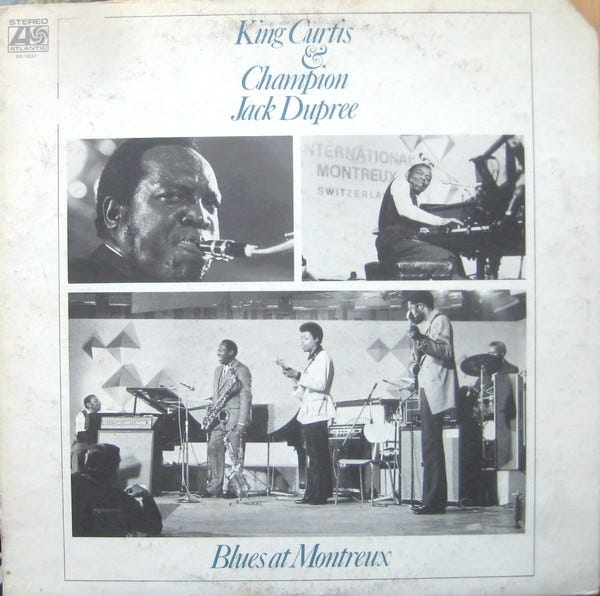
It’s a really, really great record, an ad-hoc pairing that shows how good sit-ins/collaborations work.
King Curtis would have nailed the horn parts on Fillmore East.
I have no idea if Curtis joined the Allman Brothers onstage, but he did sit-in with Duane and Delaney & Bonnie.
Here’s Dorn, from Timothy R. Hoover’s Soul Serenade (2022):
There was no rehearsal. I think they rehearsed while they were setting up the mics. Jack Dupree sang with Curtis. [The Kingpins] weren’t really blues players. They were rhythm and blues players. The spirit was great. Jack Dupree is one of those who gets up in front of an audience and he just nails them.
Writes Hoover, “Maybe this specific album ultimately defines the depth and breadth of the true global talent of King Curtis and also of the Kingpins. Without a moment of rehearsal, the Atlantic tape rolled and what is created is nothing short of spectacular.”
Horns and the ABB
Horns work well with ABB music. There’s a fantastic version of “Kind of Bird” with Doc Severinsen and the Tonight Show band that I’m going to do a piece on eventually.
Every original members’ solo bands had horns. But outside of Juicy Carter, horns were pretty rare until they made more frequent appearances at the Beacon Theatre in the 2000s.
Each of Gregg’s solo albums has featured them. And his 1974 Gregg Allman Tour included two trumpets and Randall Bramlett on baritone sax. (And the coup de grace: a 24 piece orchestra.)
The Richard Betts American Music Show tour was a major undertaking, a huge band that included three horns and two drummers.
Dickey toured with horns again in 2000 when the divorce happened with the Allman Brothers Band. His horn player Kris Jensen ended up in the Jaimoe’s Jasssz Band horn section.
12/14/74 “In Memory of Elizabeth Reed”
This is one of my ABBsolute all-time favorite horn appearances: “In Memory of Elizabeth Reed” from 12/14/74 Winterland.
It’s really not a sit-in, it’s a rehearsed band, but it’s a bit of a ramshackle rehearsed band.
41 minutes of psychedelic Western swing glory.
Dig it:
Lagniappe
Big Band of Brothers: A Jazz Celebration of the Allman Brothers Band is a very cool album and concept from arranger John Harvey. The album features Jack Pearson on “Stand Back.” Here’s his note on the project:
The first time I saw the Allman Brothers Band perform live was in 1972 — the same year as my first Buddy Rich Big Band concert. Today my affection for the Allman Brothers Band and their music runs deep, and my fascination with the power and elegance of big band jazz is equally enduring.
Bob Curnow’s 1994 L.A. Big Band recording, The Music of Pat Metheny and Lyle Mays, made a strong impression on me. It prompted my imagining many popular songs being performed in a traditional big band context. Ever since, I’ve envisioned many prospects for such transformation, but the early Allman Brothers Band catalog has always felt the perfect fit.
Jaimoe joined the band for the January 2023 tour, which included Lamar Williams Jr. on vocals and Drew Smithers on guitar. Here’s “Don’t Keep Me Wonderin’.”
Until next time.
Grateful for y’all.
He’d spent a year helping them hone their sound and arrangements for Idlewild South and in preparation for At Fillmore East.
Maybe on “Hot ‘Lanta”? Listening today I couldn’t tell.
And also two and two Eat a Peach tracks—”Trouble No More” and the mighty “Mountain Jam.”
And it’s not like guests didn’t work with the ABB. Thom Doucette (who was a nominal 7th member of the band), gets a lot of time during the Fillmore East sessions, and a few solos on record.
He’s actually the guy who gave Jaimoe his name. Hear the story here: https://mississippimoments.org/classic-msmo-jaimoe-johanson-hall-of-fame-drummer
Interestingly enough, Johnny Winter watched from side stage and told his manager he wanted to cede his headlining spot to the Allman Brothers Band. He didn’t want to follow them. The switch meant longer shows on Saturday night, which comprises about 80% of At Fillmore East. More from my Substack on that story here.
Bob I just bought live Deep in Texas 9/28/71 and Juicy unfortunately though he is way down in the mix on 4 songs. It has one way out and hot Lanta as encore good recording sounds cool on vinyl but you do right about the horns
I don't think it was Kind of Bird that Doc Severson set in, the song was True Gravity. And it was great. Also, when I hear the second night night or show that Juicy Carter sat in on, Liz Reed isn't that bad, especially how Duane took over and he cooked. In my opinion. I have think the experiment was great. Especially that Duane was always trying to play with Jazz musicians toward the end of his life.