"How far can you see? That’s how far you can play." Dickey Betts on music, vision, rivalry, and the twin-guitar sound

[Originally posted 12/12/25 for paid members of Conversation from the Crossroads.]
Forrest Richard Betts, born December 12, 1943, in West Palm Beach, Florida.

Of Duane’s myriad musical partners, Dickey Betts was one of the most important. Their work together in the band’s early days in Jacksonville inspired Duane to expand the band he had in mind.
Lots of people talk about Dickey being underrated, and it’s true to a certain extent. Like the Allman Brothers Band in general, he sometimes seems like a poorly kept secret, but a secret nonetheless.
But many more of us hold Dickey in extremely high regard.

(cheaper, but evil)
Play All Night! excerpt
I spent a lot of time thinking about Betts over the decades as I developed what became Play All Night! Duane Allman & the Journey to Fillmore East.
I’ve been most pleased with the response I’ve gotten on how I highlighted Dickey’s importance in the book, and the countless times I’ve written/posted about him in the last three years.
Chapter 1, “Duane’s Musical Ethos”
While it was not unprecedented for a band to have two lead guitarists, most two-guitar bands of the era featured one player on rhythm, the other on lead.
The Allman Brothers’ dual lead guitar approach was an outgrowth of each guitarist’s virtuosity and the equal time they afforded one another as soloists. Indeed, each played lead guitar on nearly every Allman Brothers Band song, often in tandem.
Duane and Dickey shared a profound “musical love,” longtime collaborator Thom Doucette recalled. “They were very tight and they had a lot of unspoken communication.”
Duane held Dickey in thrall. “Duane played music the same way that he rode his motorcycle and drove his car. He was a daredevil, just triple-Scorpio, God’s-on-my-side wide open. That was part of the romance. And I loved Duane.”
It was a collaboration the guitarists honed on stage, in rehearsals, and in private conversation. “What struck me when I first heard them playing together was how they didn’t try to outdo each other, but instead supported one another,” Doucette remembered. “I had worked with the Butterfield Blues Band in Chicago and all Butterfield and Bloomfield thought about was wasting one another.”
Some of this dynamic was built on mutual esteem, some on self-confidence, and much on approach. “Duane and I had an immense amount of respect for each other,” Betts recalled. “We talked about being jealous of each other and how dangerous it was to think that way—that we had to fight that feeling when we were on stage. He’d say, ‘When I listen to you play, I have to try hard to keep the jealousy thing at bay and not try to outdo you when I play my solo. But I still want to play my best!’ We laughed about what a thin line that was.”
There was jealousy, Betts acknowledged, “but it was so honest that it was healthy; and it just fired the energies that we did have. We just fired each other off.”
The competition was by design, Duane said. “We can make each other better and then do something deep.”
“He was probably the most honest player I’ve ever played with,” reflected Betts. “Man, he could get what was in his heart to come off the neck of his guitar!”
The connection between the two guitarists transcended music, Dickey said:
“There are very few times two musicians come together who understand each other in that fashion, the same as two people having a real conversation, and truly understanding each other, the same as a man and a woman making love. This is the kind of thing that me and Duane had. I knew the dude. I knew him all the way through. I admired him. I learned from him. He learned from me. To experience that with a musician the caliber of Duane Allman is one of the greatest gifts that I’ve received and been able to share.”1
Betts has been a major presence at longlivetheabb.com.
Here are some of my favorites


PAID SUBSCRIBERS
Put together a little photo essay with quotes from/images of Dickey just for y’all, as a little thank you for your support. Appreciate you more than you know.
Dickey Betts in his own words
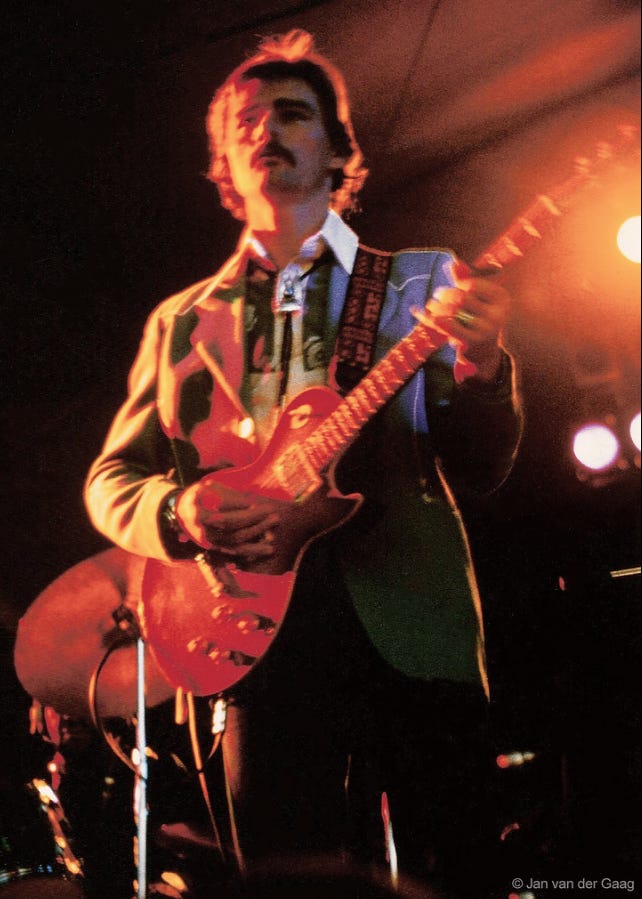
Dickey on music
“It makes me feel so good that people have put so much value on something I have to offer. Like ‘Ramblin’ Man’. I’m real glad that people from all over the country have been able to identify with the song. I think it’s a damn good expression of the kind of people our band comes from. People in the South can feel my heart beat in that song. Down there, that song is really close to everybody. Everybody knows those places. Everybody knows about Highway 41 running down through Florida . . . but then again, ‘Ramblin’ Man’ was very popular out on the West Coast too. It makes me feel a lot more confident about my playing than ever before. Makes me want to get out there and write and sing all the more. It just tickles the hell out of me.”
“I used to listen to Chuck Berry almost religiously. I used to wear out his records getting licks off them. I would learn the lead from ‘Roll Over Beethoven.’ When I would go and play with the band, they would do something like ‘Whole Lotta Shakin’ Goin’ On’ and I didn’t know how to play my own stuff from inside me, so I play the lead I had learned from ‘Roll Over.’ I had all these leads that I’ve learned from different 12-bar blues, and I switch them around. Then I started cutting them in half and piecing them together, and then, before I knew it, I was making up stuff of my own and adding that to my repertoire.”
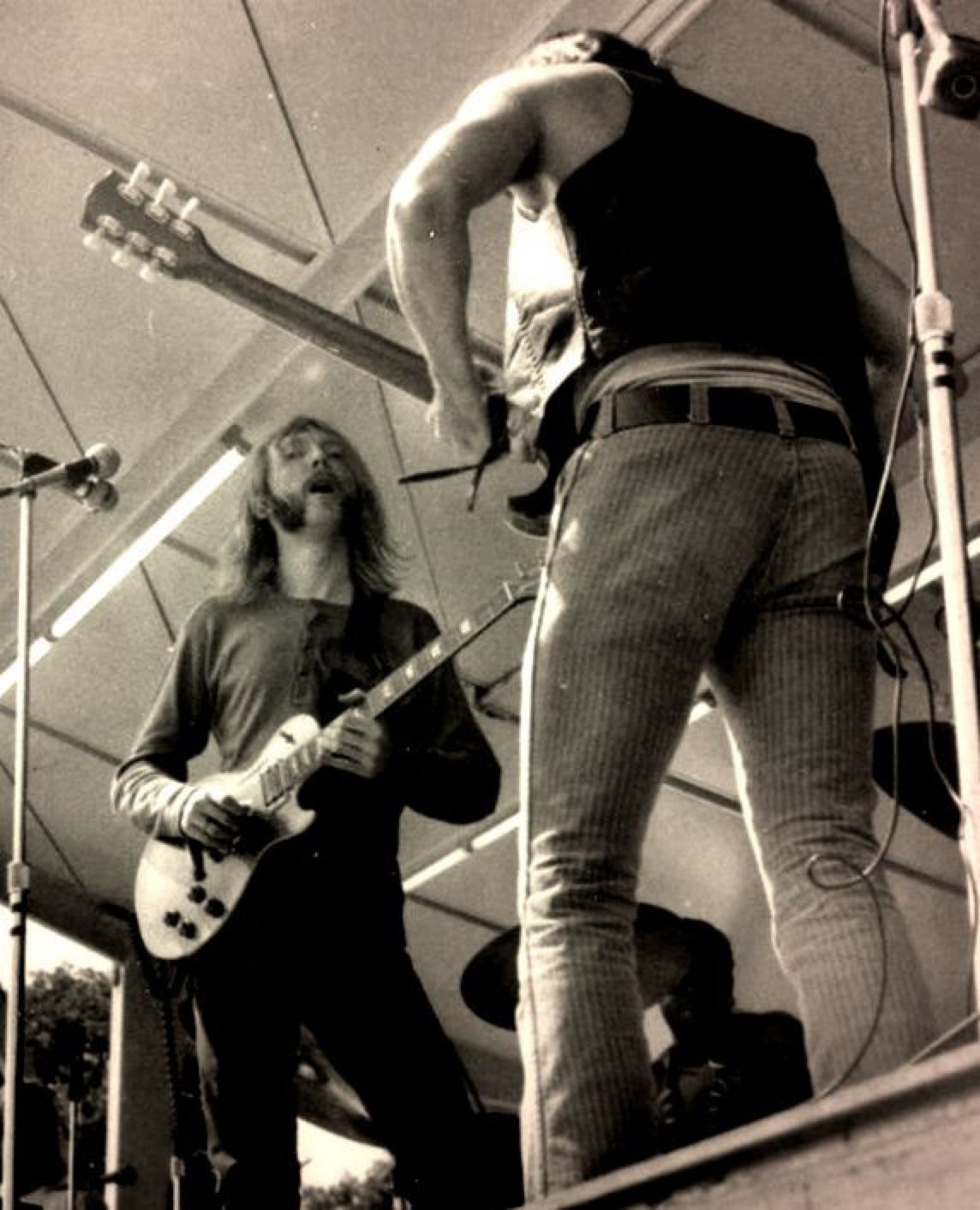
Dickey on the Allman Brothers Band
“At the start we didn’t have a product out, and we could see that the audience was taken by what we were playing—singing along and getting way into it, and telling us they hadn’t heard anything like what we were playing.”
“We knew what we had. The band was so good we thought we’d never make it. In the beginning it was so amazing I don’t even know how to put it into words. With Duane & Berry Oakley and Gregg and me as the songwriters, with everybody’s musicianship, it developed like a Polaroid picture. Nobody knew what it was going to be.”
“We just made rock & roll music, music for working people. Common people, like me, man. It ain’t no star shit, or any kind of intellectual shit. We weren’t any different from the people we played for except we were a band, and there was a bond between us. We were a family.”
Dickey on Duane
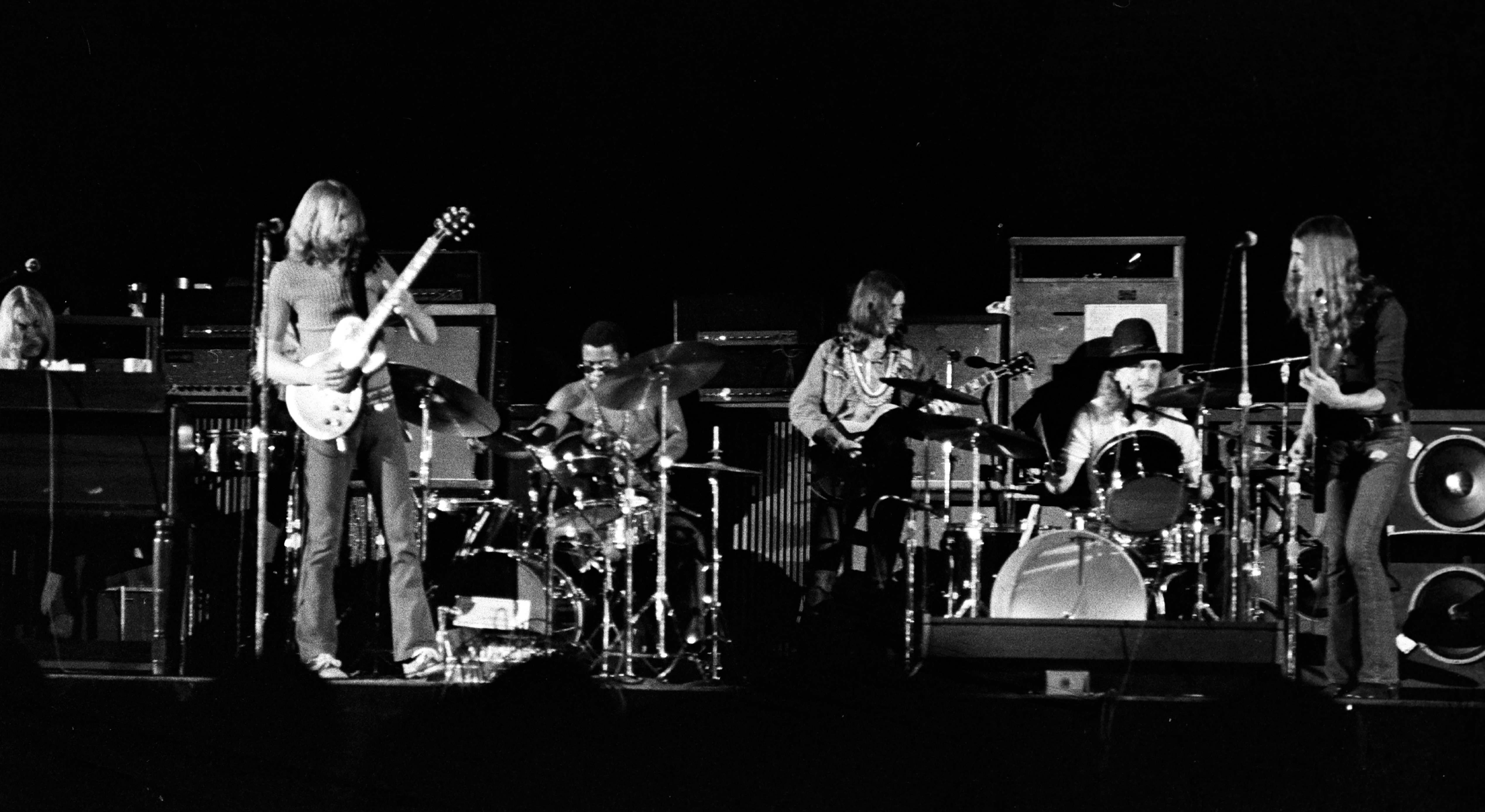
“When Duane was in the band, he’d play something and then I would try to extend what he was doing. Communication had always been our note. We didn’t tread on each other’s notes, Duane and I just used to listen to each other’s licks. It almost got to the point where Duane and I were thinking as one man, and believe me, it’s a very nice thing to get yourself into.”
“We used our guitars like a brass section, playing all these harmony lines. Harmonies that sounded like they took a month to write were actually improvised. Western swing bands from the 1930s always used that twin-harmony guitar, and a lot of the songs we did were influenced by that.”
Dickey’s musical philosophy
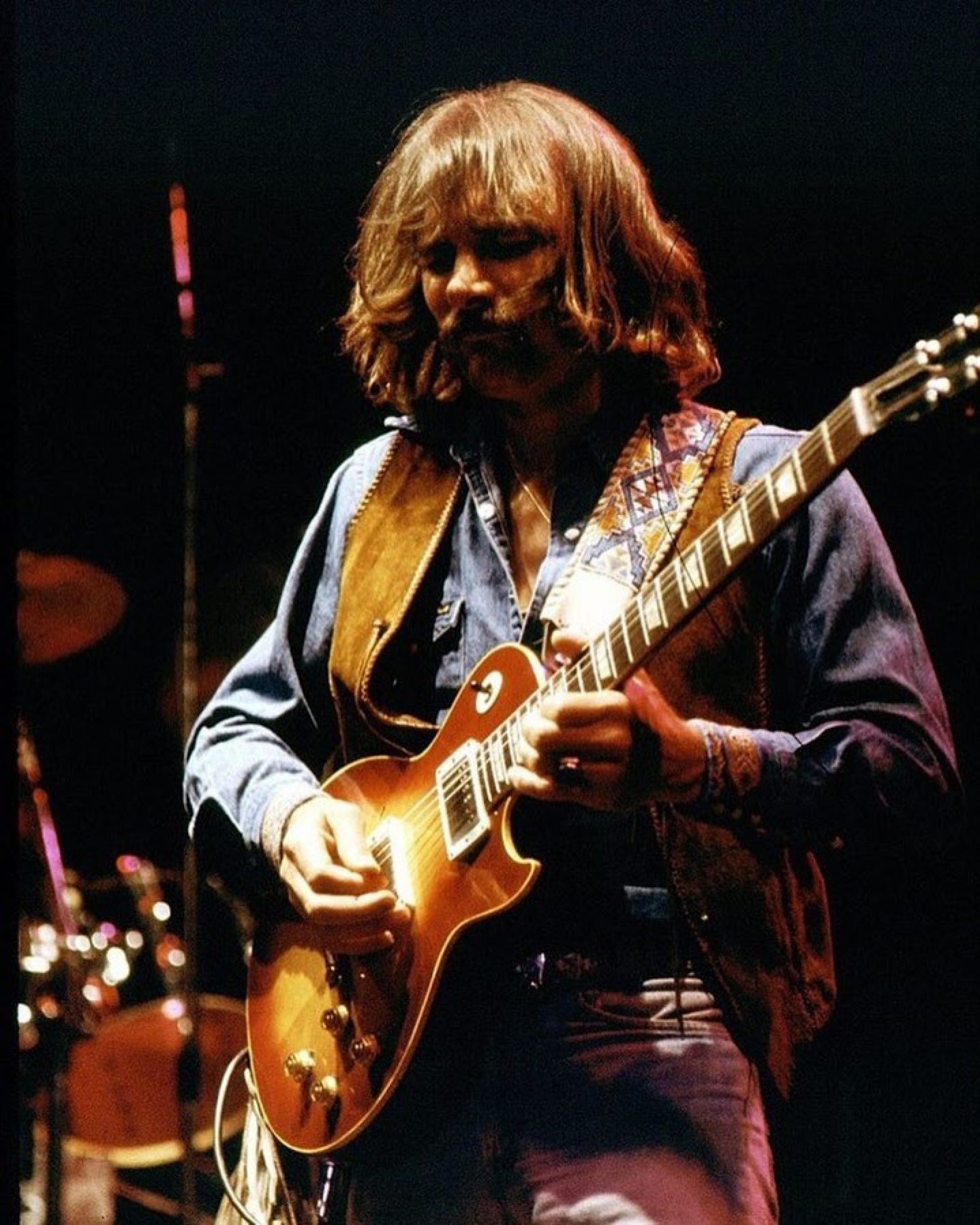
I’ll leave you with this banger from Tom Nolan’s The Allman Brothers Band2 set to a great Kathy Hurley photo of Dickey on slide during the epic 5-man band era.
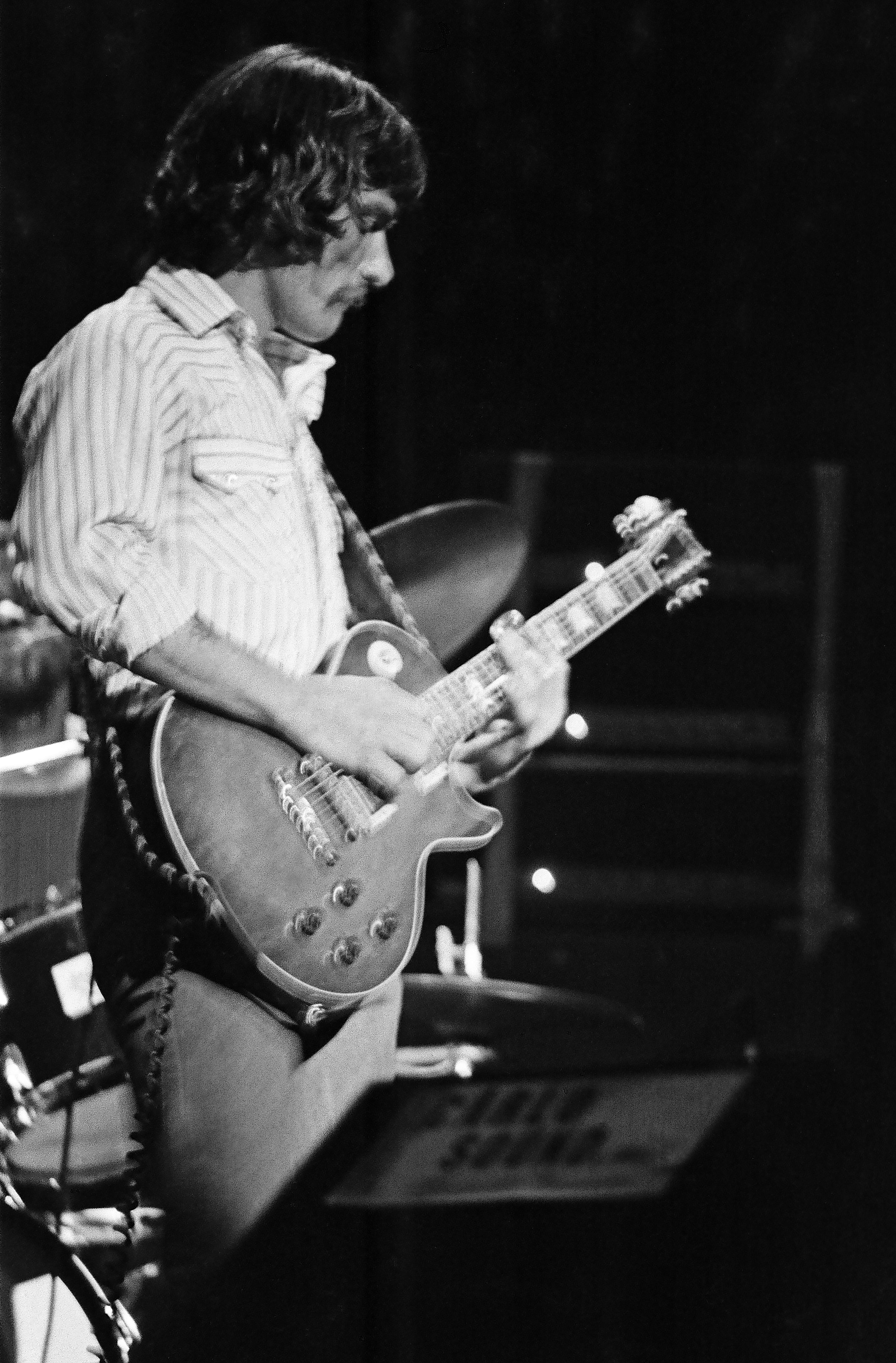
“How far can you see? That’s how far you can play. How far can you think? Can you imagine the universe? Can you look at the sky? You can see it, so surely you must be able to imagine it. But you can imagine further than what you can see; so that’s how far you can play. I’m not trying to be mushy or nothing, but that’s how far you can get into somebody you care about. Whatever you can see or hear, that’s yours, man. You don’t have to buy it. It’s yours. All you got to do is look at it, quit analyzing. When I’m playing, the first thing I have to do, if I’m going to play anything to 20,000 people, is quit analyzing what I’m doing.”
Lagniappe
Richard Betts American Music Show December 11, 1974 Santa Monica. Newly liberated bootleg from the archives, this is a few days before the EPIC 12/14/74 “In Memory of Elizabeth Reed” I go apeshit about. It’s also Dickey’s birthday eve, and he’s got a buzz on, which makes his stage announcements somewhat playful.
Thanks for being here y’all.
Until next time…
Please click the Amazon link to tickle the algorithm to tell people about the book. Please do the same at Bookshop.org.
Amazon is cheapest, but they’re evil.
Bookshop.org orders go to an independent bookstore of your choice OR my link goes to San Marco Books and More in Jacksonville—the closest independent bookstore to the Gray House, where the ABB formed.